branding service models for startups by funding stage
Match your branding service model to your funding stage, not your preferences.

Branding costs money, and the right amount depends entirely on stage. Pick the wrong model and one of two things happens: you look unfinished in front of investors, or you burn runway on polish nobody asked for yet. There are five ways to get branding work done, and they trade cost against control in different directions. Get that trade wrong and you either overpay for structure you don't need, or underpay and end up doing the coordination work yourself, on top of everything else on your plate.
Freelancers get paid per project or per hour. Cheap on paper, unpredictable in practice. Over 57% of freelancers juggle more than one client at a time, per a Freelancermap survey, so an "urgent" revision can sit in a queue for a week instead of landing in two days. Someone has to brief them, chase them, and check their work, and that someone is usually the founder. That's the hidden cost nobody puts in the budget line.
Project-based agencies run fixed-scope engagements with account managers and quality checks built in. The floor cost is higher, but delivery is structured. They're built for a defined moment (a rebrand, a launch), not the daily grind of keeping a brand consistent across six months of sales decks.
Specialist startup agencies cover strategy and execution end to end, and pricing swings wildly by firm tier. More on specific names later, once the stage sections actually need them.
Design subscriptions run a flat monthly rate, usually $399 to $999 a month at entry tiers, up to $6,000 a month at the highest plan tiers. Turnaround runs 24 to 48 hours depending on provider and plan. No payroll tax, no benefits, no laptop to buy. Annualized, that's $4,800 to $12,000 a year against $90,200 to $142,400 for one fully loaded in-house hire. Most founders never actually run that comparison before they start hiring, which is how a $6,000-a-month design line turns into a $130,000 salary line without anyone noticing the jump.
In-house teams cost the most and give you the most control. They only make sense once design is something your team touches every single day, not once a quarter.
The invisible cost across all of this is management. Freelancers need briefing, direction, and follow-up: work that never shows up on an invoice but eats a week anyway. Agencies hand coordination to an account manager, but ask for anything outside the original scope and a new quote lands in your inbox by Friday. Subscriptions run on a request queue, so the briefing and chasing mostly disappear, and most providers turn around requests within 24 to 48 hours. In-house teams need daily direction, regular one-on-ones, and coverage planning for when someone's out sick or on a plane.
The salary number alone hides more than it reveals. A mid-level graphic designer runs $55,000 to $75,000 a year in base pay; a senior person with motion or video skills runs $80,000 to $100,000 or more. Add 20 to 30% for payroll tax, health insurance, and retirement match. Add software (Adobe Creative Cloud runs about $600 a year per seat, before Figma or stock licensing) and a workstation ($2,000 to $3,500). All in, a mid-level in-house designer runs $70,000 to $95,000 a year, and a senior hire with full overhead can hit $90,200 to $142,400. That's before hiring time enters the picture: the average stretch to a first offer runs around 68 days, and plenty of design roles take 10 to 14 weeks from posting to someone actually starting. If your launch is six weeks out, in-house is not a viable option. The math ruled it out before you finished reading the job description.
Here's the part most founders get backwards: they treat "which model is best" as the question, when the real question is which model your stage can carry. A subscription trades a physically embedded teammate for cost and flexibility. In-house trades that flexibility for daily, real-time access. Neither is universally right, and defending whichever one you picked past the point it stopped fitting is how a company ends up a full year behind on brand consistency.
Pre-seed: what a brand needs to exist, and how little it needs to cost
At pre-seed, a brand has exactly one job: look credible enough to get you into the room. It needs to explain what the product is and hold together across a website and a pitch deck. The whole brief amounts to that. Nobody at this stage needs a 40-page brand guideline or a custom typeface built from scratch, and any agency pitching one is selling something you'll throw out in a year anyway.
The right spend here runs $15,000 to $50,000, per metabrand.digital, aimed at professional basics rather than the comprehensive polish you'll rebuild once the company grows. In practice that's a logo, a color system, typography, a one-page brand guideline, a landing page, and a pitch deck template: the surfaces investors and early customers actually see.
That budget ceiling rules a few things out before the conversation even starts. A full-service specialist agency with a $60,000 floor is off the table. Hiring in-house at $70,000 to $95,000 a year fully loaded would eat the entire branding budget, plus a chunk of runway, before a single asset ships.
What actually fits: a bounded freelance engagement for a logo and basic identity system, when the scope is genuinely narrow and someone can brief it clearly. Or a design subscription for the ongoing stuff (landing pages, decks, social templates) at a flat monthly cost, with no hiring risk and senior work available from week one. Some subscriptions bundle in a bit of fractional creative direction too, Zyner, for instance, embeds a Fractional Creative Director into its monthly subscription, handing a pre-seed founder senior brand judgment without the price tag of a full fractional CD retainer.
Founders love becoming the de facto creative director at this stage, mostly because there's nobody else in the room to do it. Understandable instinct, costly habit: brand drift, endless revision loops, hours stolen from product and sales that never get refunded. Don't do it. The best pre-seed branding investment produces a clean, consistent baseline, and it does that without turning the founder into an unpaid art director.
Seed stage: building a brand that can survive the next twelve months of growth
By seed, the product is real, early users exist, and the team's growing fast enough that branded output starts multiplying. Decks, ads, product UI, sales one-pagers, all piling up with no system holding them together.
The spend range stays the same, $15,000 to $50,000, but the upper end starts making sense now, since the identity system has to cover more ground than it did six months ago.
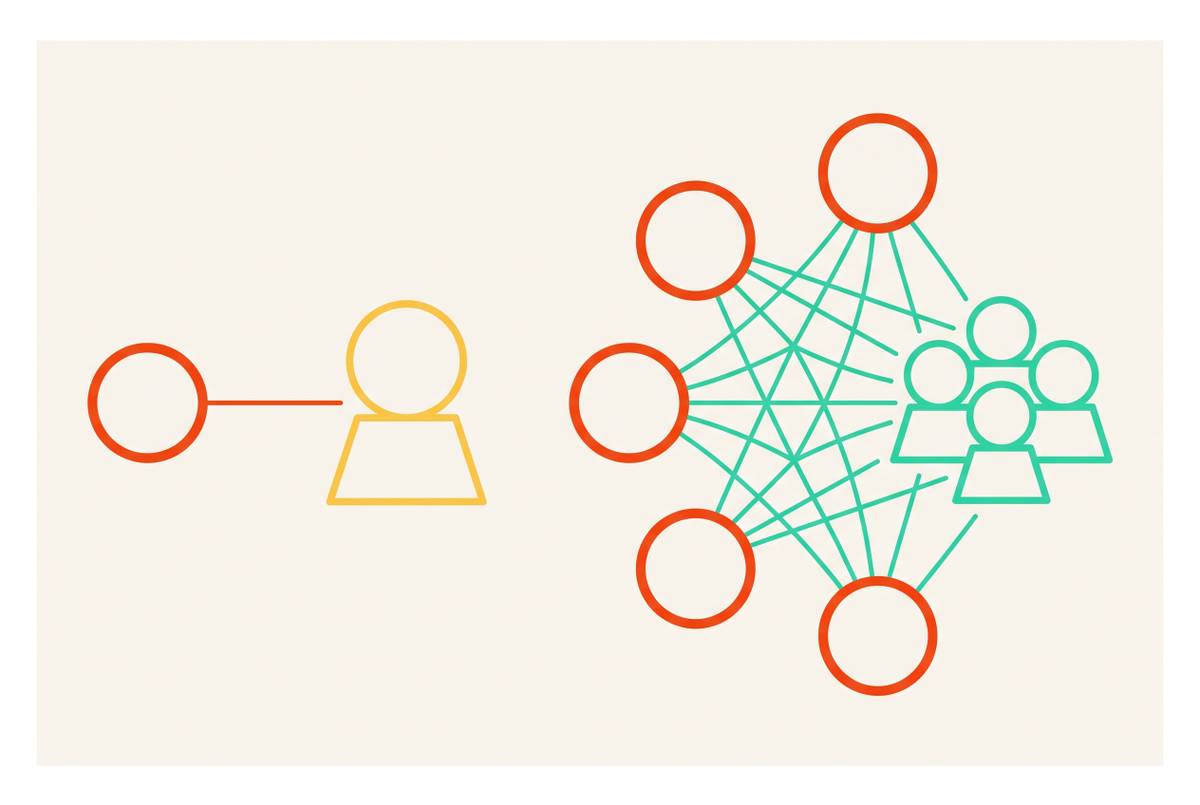
Inconsistency gets expensive at this stage in a way it wasn't before. When the pitch deck, the website, and the product look like three unrelated companies, investor confidence takes a hit, and early enterprise conversations stall because the brand signals a company that isn't quite ready. The freelancer model, fine for a single logo at pre-seed, cracks under its own weight here: six surfaces, six freelancers, zero shared standard. That's drift by design, not bad luck.
The fix at seed is a design subscription paired with a fractional creative director, and this is the pairing most seed-stage teams skip straight past on their way to either extreme. The subscription absorbs execution volume; the fractional CD sets the standard and keeps everything on brand across every surface. A Fractional Creative Director typically runs $5,000 to $15,000 a month, covering 10 to 20 hours a week, handing a seed-stage company executive-level creative judgment without a full-time salary attached. These engagements usually run six to twelve months before anyone commits to a renewal, which suits the uncertainty of seed stage a lot better than a long-term hire would.
What seed doesn't need yet is a full strategic branding agency north of $60,000. The scope doesn't justify it, and most startups end up revisiting their brand at every major stage anyway, so smaller, well-timed refreshes beat one expensive, comprehensive build that gets torn up in eighteen months. Spending Series A money at seed stage is capital that could be doing something else, and there's always something else it should be doing instead.
Series A and B: when branding becomes a strategic asset that needs a real foundation
Somewhere around Series A, the game changes. The company's selling to bigger customers, recruiting senior people who've seen real brands up close, and competing in a market where the brand itself now does revenue and hiring work, not just decoration.
The recommended spend jumps to $75,000 to $250,000, per metabrand.digital, and this time it's meant to last: three to five years of foundation, not a stopgap.
This is where specialist startup agencies earn their price tag, and it's also where founders start confusing "expensive" with "correct scope." The Branx works with companies from pre-seed through Series B, focused on AI/ML, SaaS, fintech, and healthtech, with package tiers around $20,000 to $35,000 and rates of $100 to $149 an hour; a small project takes about three weeks, a full engagement runs two to eight months. The Branx built the brand for North's AI FinOps product Noros, following North's $5M Series A. Koto starts around $60,000 and scales past $150,000 depending on scope, suiting funded startups, seed through Series A, in fintech, SaaS, or consumer tech looking for something culturally sharp and distinctive. Motto, founded in 2009 with offices in San Francisco and New York, starts at $100,000 and has worked with Airbnb, Lyft, Asana, and Fitbit; it suits seed through Series A companies looking for narrative, naming, and positioning work.
None of these agencies stick around for the grind that follows: ad creative, decks, sales one-pagers, product UI tweaks. That's a separate job, and treating it as the same job is the single most common budgeting mistake at this stage. What works is a design subscription running ongoing execution, with a fractional creative director keeping it aligned to the standard the agency just built. Strategy and execution stay cleanly separated, without needing a full internal team to hold it together.
In-house starts to make sense around Series B if design has genuinely become a daily function: designers sitting inside product sprints, UI changing in real time alongside engineering. At that point, the fully loaded cost of $90,200 to $142,400 for a first in-house hire is defensible, because the volume of work justifies a full-time seat.
Here's the mistake to watch for specifically: taking the Series A check and building an in-house creative team to "keep doing what the agency did." The strategy work is done. What the company needs next is consistent execution, not a second round of strategic overhead stacked on top of the first.
Series C and beyond: brand as enterprise infrastructure, not a marketing function
Past Series C, the company's usually running across multiple markets, multiple product lines, maybe multiple customer segments, and the brand has to hold together without someone checking every asset by hand. Branding stops being a marketing line item here and turns into something closer to org design.
Spend jumps again, to $250,000 to $1M or more, per metabrand.digital, and the money's justified because brand is now functioning as a genuine strategic asset, not a nice-to-have.
The model that fits is a hybrid: in-house for continuity and embedded product work, specialist agencies for the big brand moments and market launches, subscriptions for volume execution the internal team isn't sized to absorb. In-house hiring is structurally sound now. With engineering shipping daily and design work built into every product cycle, a senior product designer in the US runs $130,000 to $160,000 in base salary plus roughly 30% for benefits and overhead, a cost that makes sense at this volume in a way it didn't two years earlier.
Keeping the brand consistent at this scale can't run on oversight alone anymore. It needs someone senior who actually owns the standard, a VP of Brand or an in-house Creative Director, not a fractional arrangement stretched thin across too many teams. Subscriptions still earn their keep here too, soaking up ad creative, localized campaigns, and campaign variations that would otherwise pull the internal team off higher-priority work. McKinsey found that companies with strong design leadership posted 32% higher revenue growth over five years, per verycreatives.com. That's the clearest evidence available that at this scale, brand investment shows up in the numbers, not just in how the pitch deck looks.
The real question at Series C is how to scale the company given the tradeoffs already made. It's how to build a creative organization, full stop, one where vendor models fill specific gaps rather than define the whole approach.
How to read the signals that your current model has outgrown your stage
The most common mistake is picking the wrong model for the wrong reason. It's sticking with the pre-seed model, scattered freelancers, founder as de facto art director, all the way through Series A because it technically still gets the work done. It does. It just costs consistency and a lot of hours nobody's tracking.
A few signs the current setup has stopped fitting:
- The brand looks different on the website, the pitch deck, the product, and social, because different designers touched each one with no shared standard between them.
- The founder or the marketing lead spends real time every week briefing freelancers, chasing revisions, or checking work that should've come back clean.
- Creative work is holding up launches, campaigns, or sales collateral, meaning design has quietly become a bottleneck on revenue.
- Design decisions get made by committee because there's no senior creative voice in the room, and the output shows it.
Consistency never comes from watching more closely, no matter how many founders try that first. It comes from putting someone senior in charge of the standard, whether that's a fractional CD folded into a subscription at seed, a specialist agency at Series A, or a VP of Brand once the company's operating at scale. Watching harder is what founders do instead of fixing the actual gap, and it doesn't work any better the fifth time than the first.
The move most growth-stage teams miss is smaller than they think: going from scattered freelancers to a managed subscription with fractional creative direction attached. Some subscription providers combine structured turnaround with senior creative judgment built in, cutting the briefing and chasing down to close to zero. The dollar jump from freelance to subscription is often minor. The jump in consistency, and the hours handed back to the founder, is not. That second number is the one that actually matters.
The decision was supposed to hinge on factors other than trend or taste. It comes down to four things: the budget available, the scope the work requires, whether anyone on the team has time to manage creative output, and how central design is to what the company does every single day. Get those four right, and the model picks itself.